The overall objective of AIMused is to improve tourism attractions accessibility through the development and implementation of AI-driven tools and inclusive design solutions.
By increasing inclusivity, AIMused will foster a more diverse audience, ensuring that people
with disabilities, seniors, and those with cognitive or sensory impairments can participate in the cultural, environmental and educational opportunities that tourism attractions offer.
Lead partner – National Marine Fisheries Research Institute, Poland
Kalmar Lans Museum, Sweden
Lithuanian Sea Museum, Lithuania
KL Kulturland MV gGmbH, Germany
University of Szczecin, Poland
Technical University of Applied Sciences Wildau, Germany
Nautil Sp. z o.o., Poland
Imagine that you are creating your dream museum – one where everyone feels comfortable and welcome:
- What is most important to you to feel comfortable and welcome at a museum?
- Have you ever encountered a situation where something was missing at a museum or another tourist attraction that would have made your visit smoother?
- What kind of digital or physical tool would you like to find at the museum?
- Perhaps you have an idea of how artificial intelligence could help make the museum even more accessible?
Share your thoughts – write us: ljm@muziejus.lt
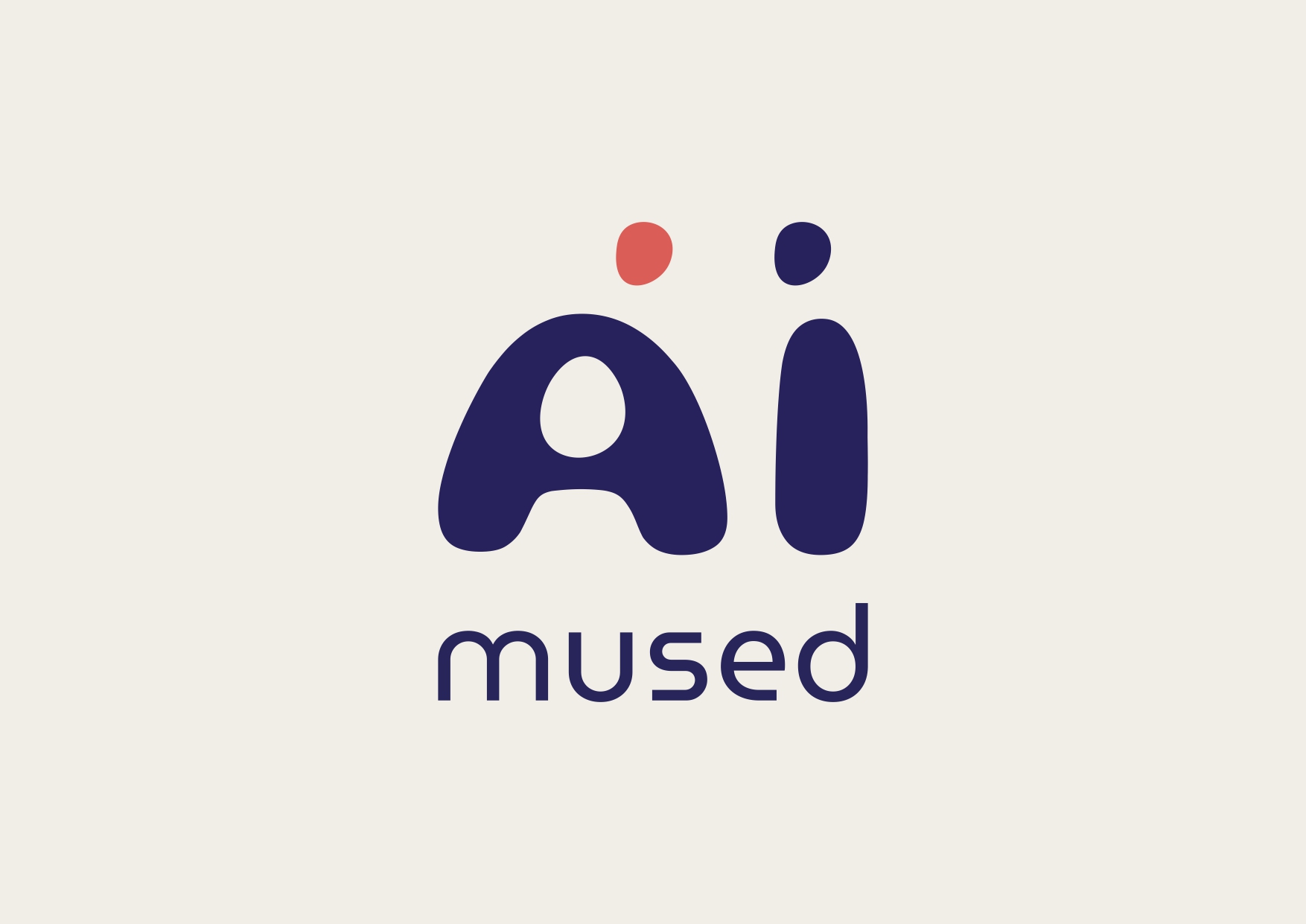
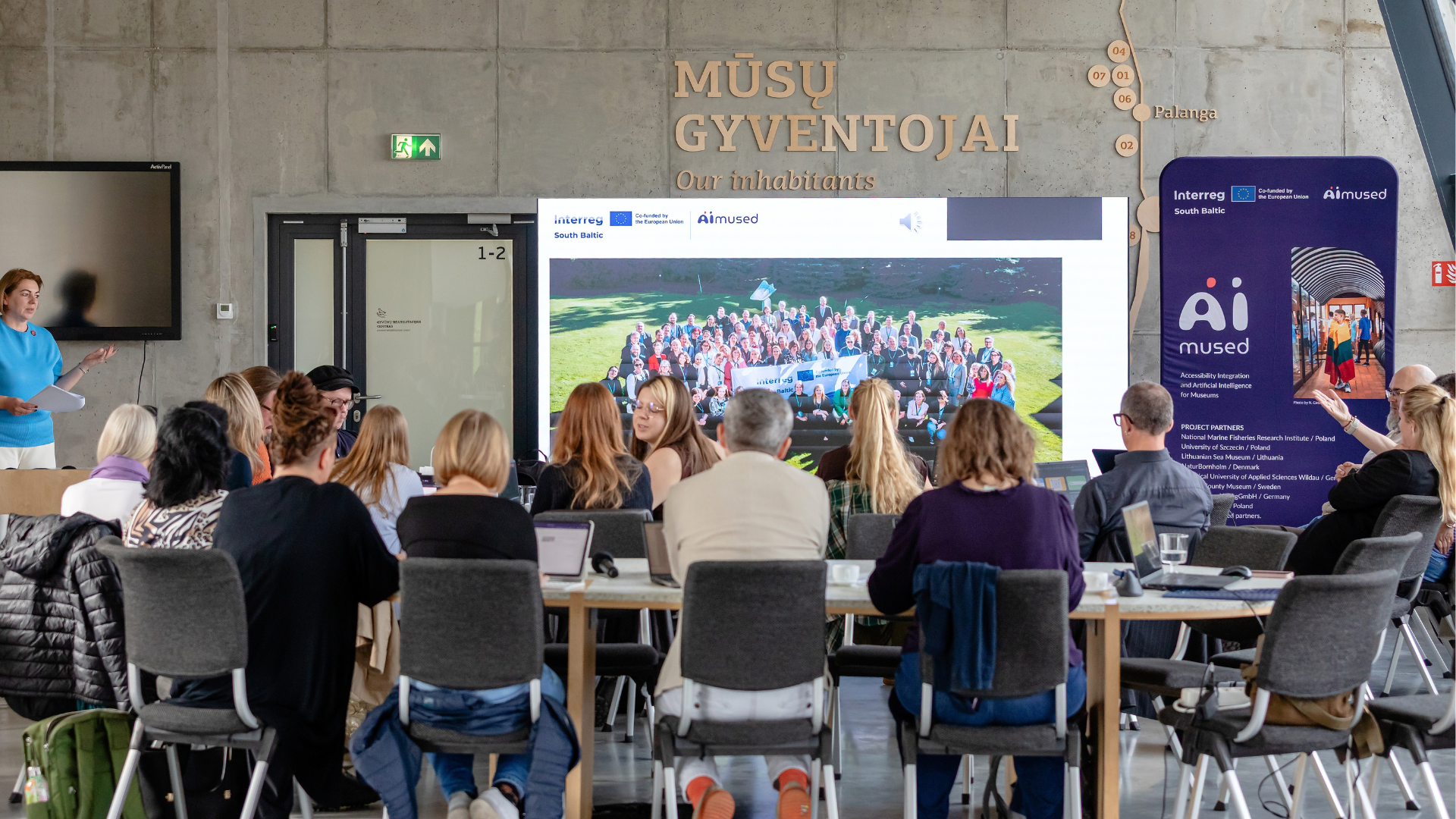
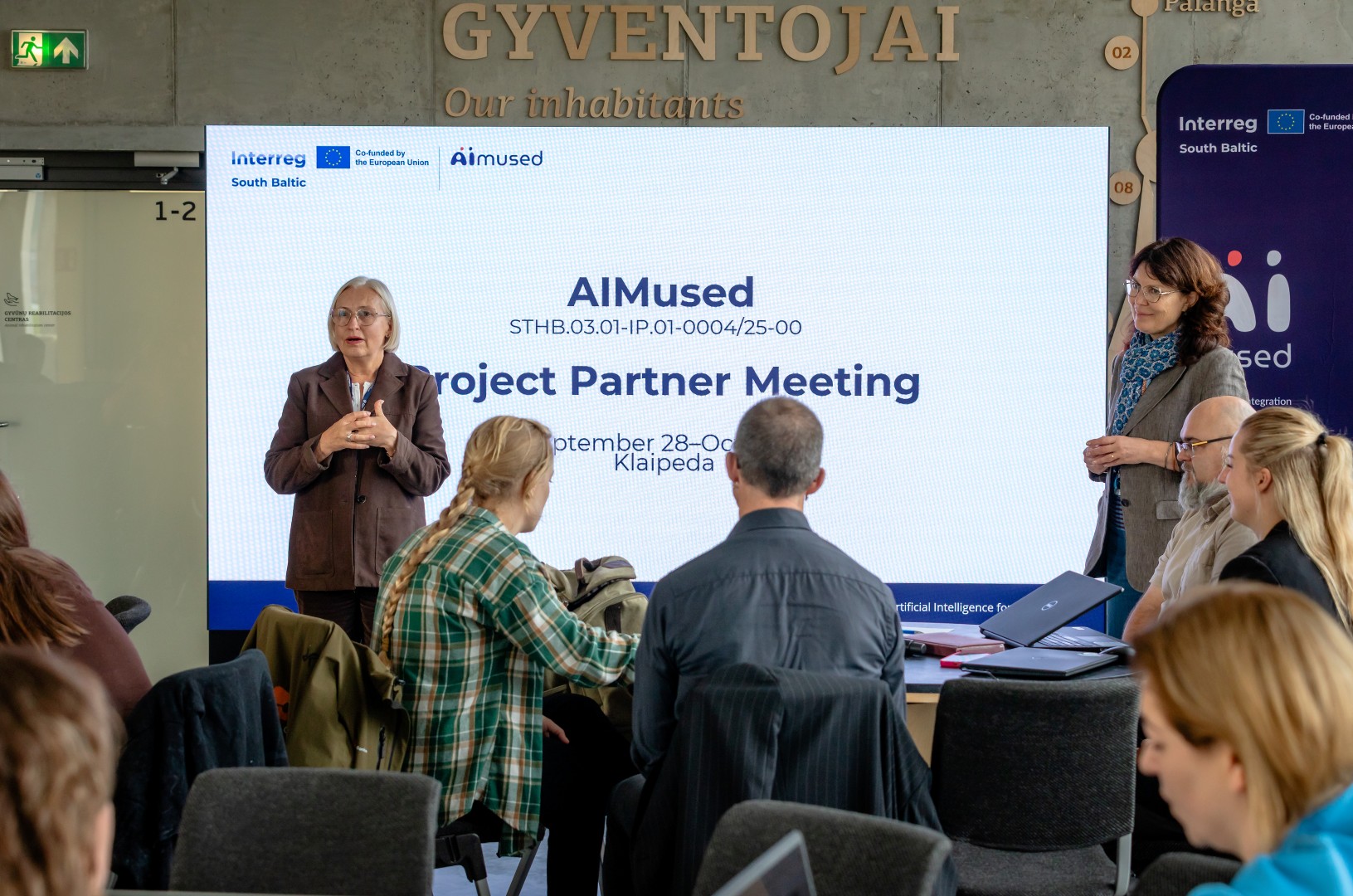
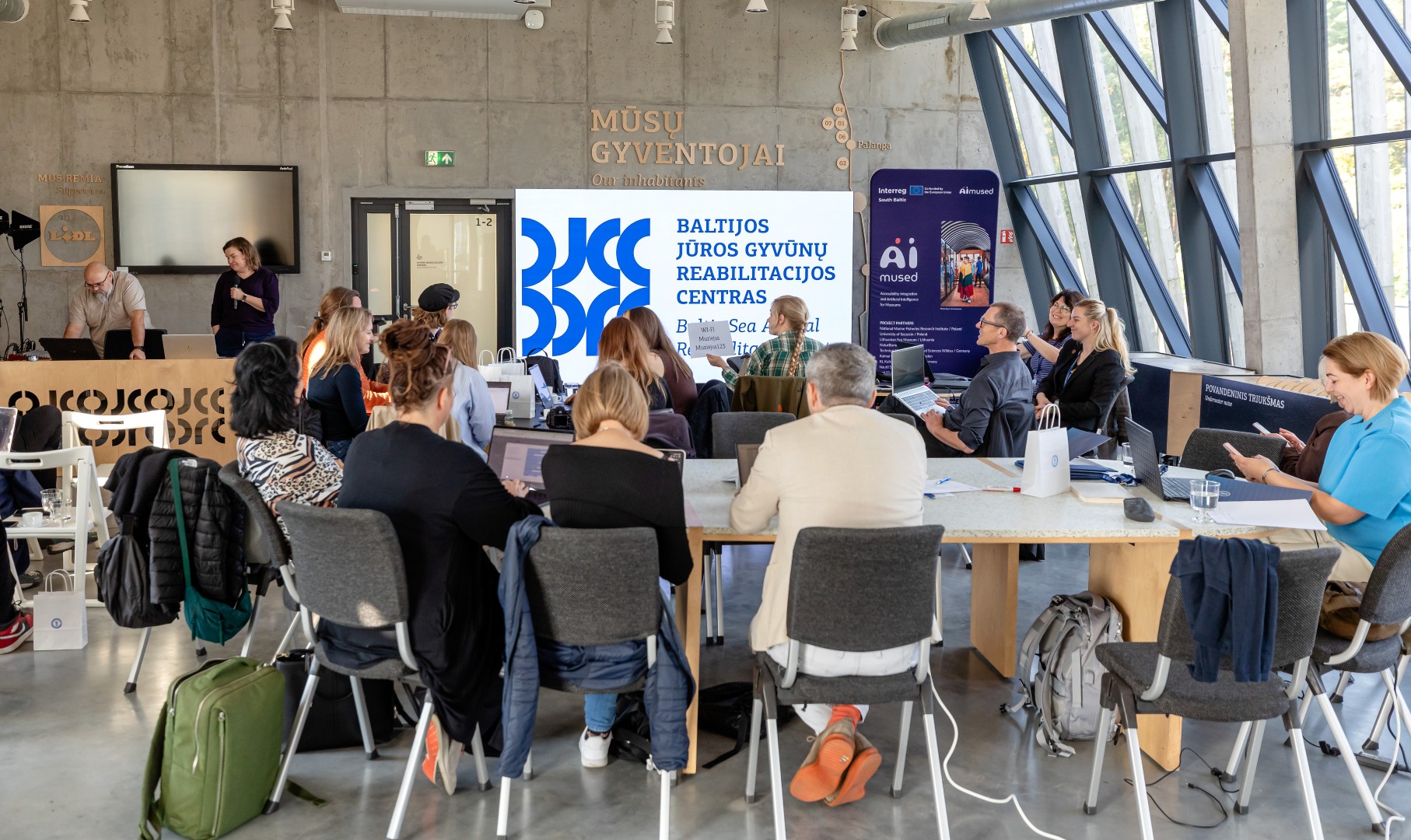
These topics were discussed by the partners of the AIMused Interreg Project from the South Baltic region, who met at the Lithuanian Sea Museum at the end of September. During the meeting, we discussed the work already completed, the next steps, and once again returned to the project's key idea – how museums and cultural experiences can become more convenient, understandable and accessible to every visitor, including people with individual needs.
Photos: Alfonso Mažūnas
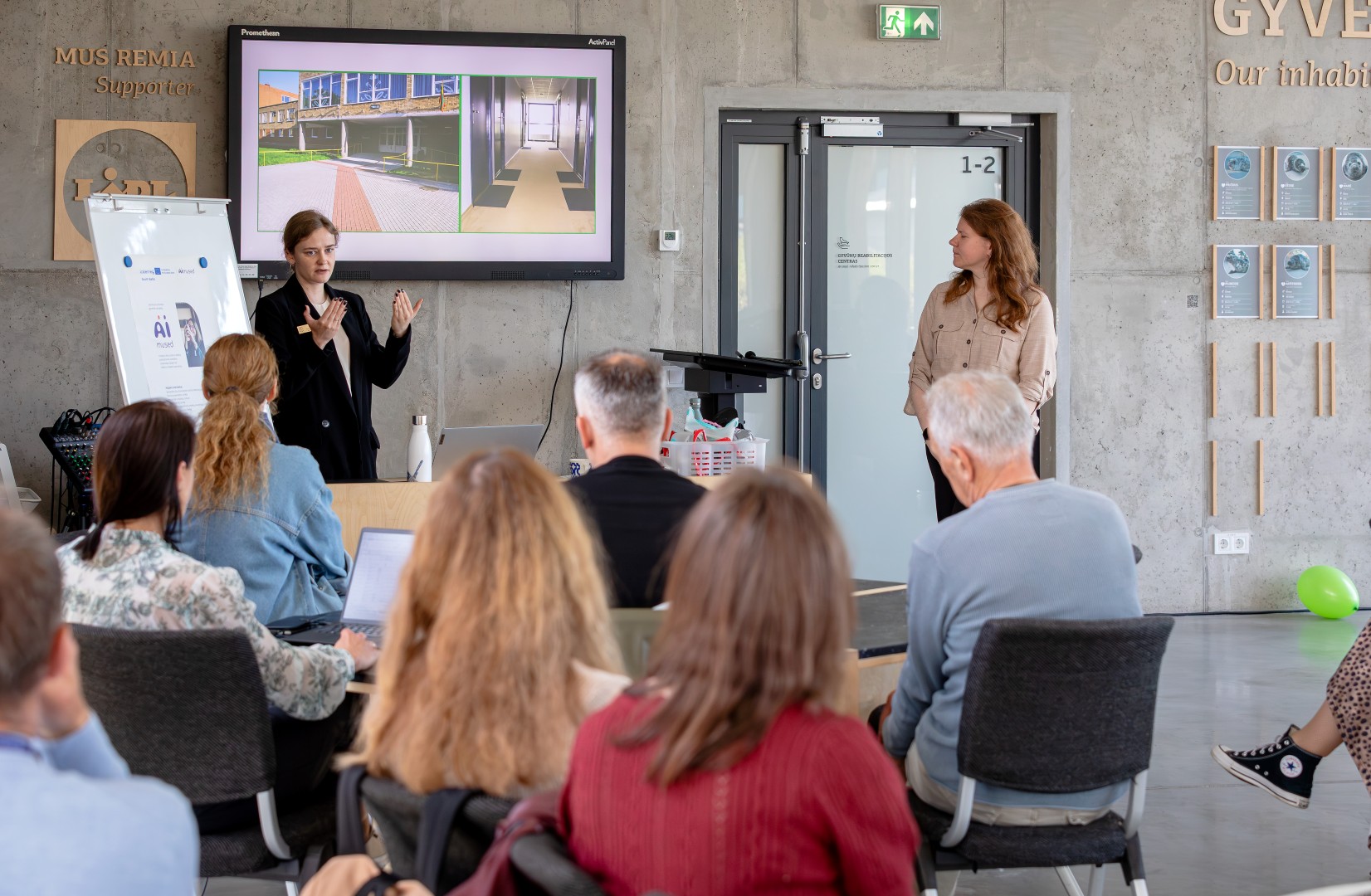
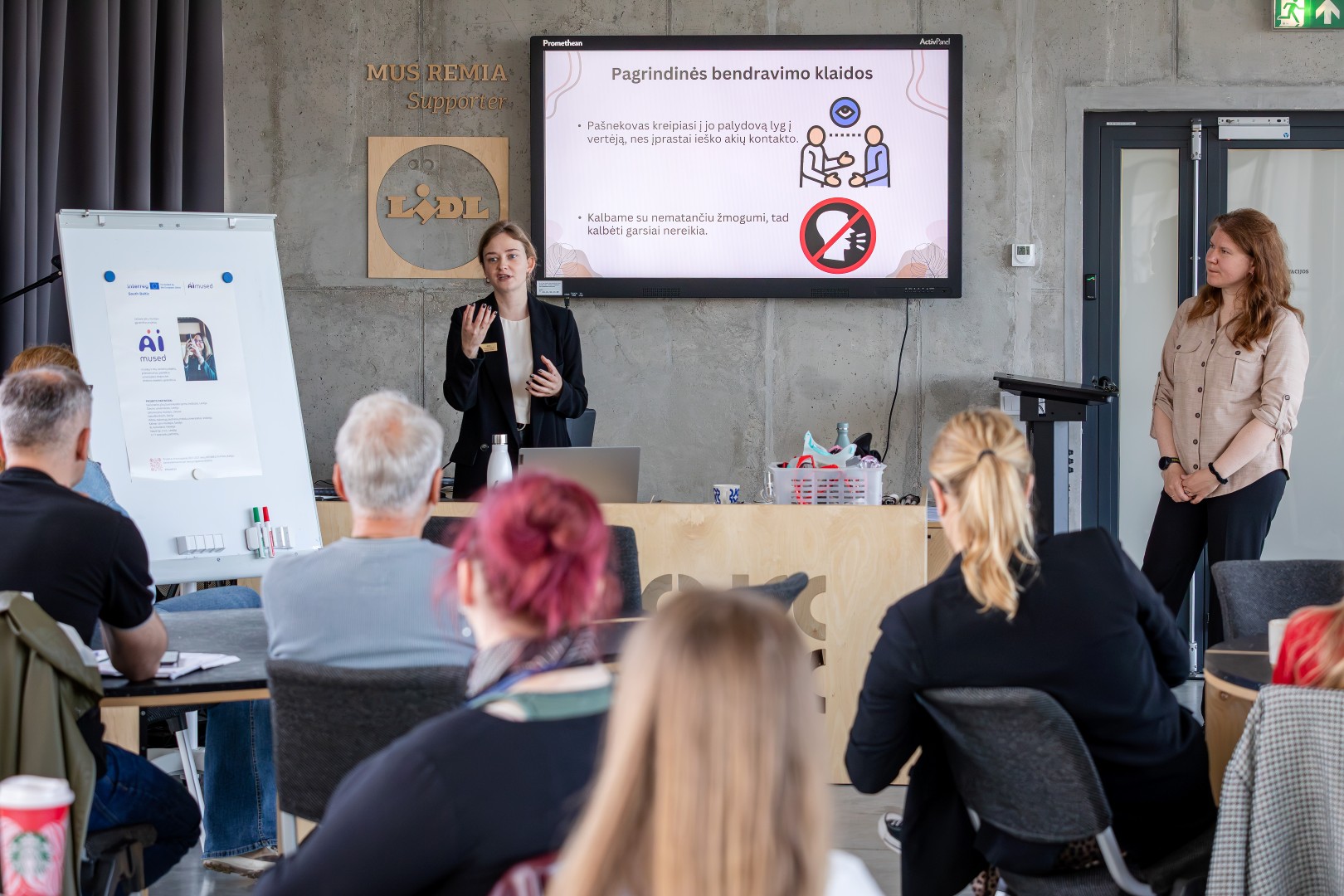
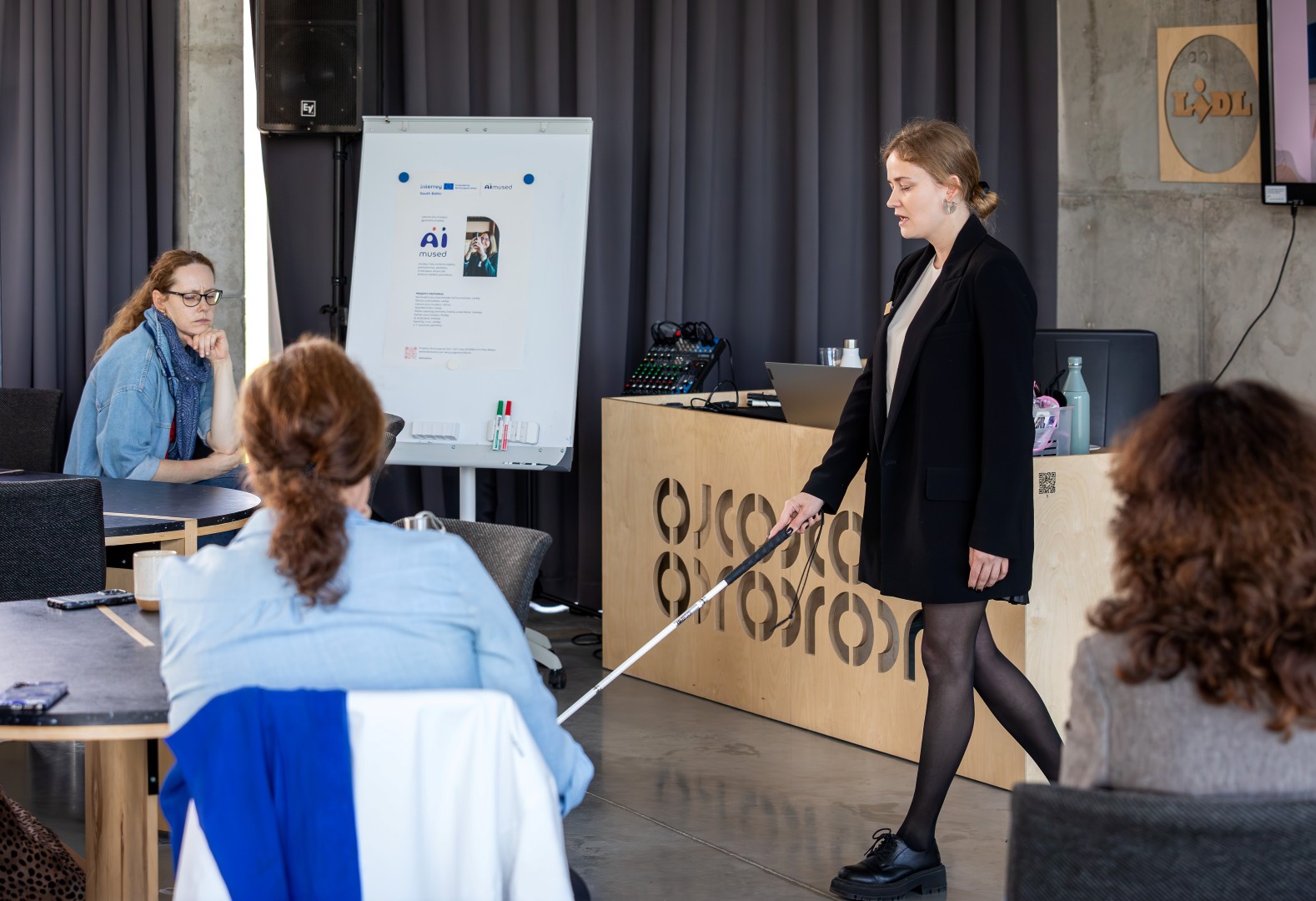
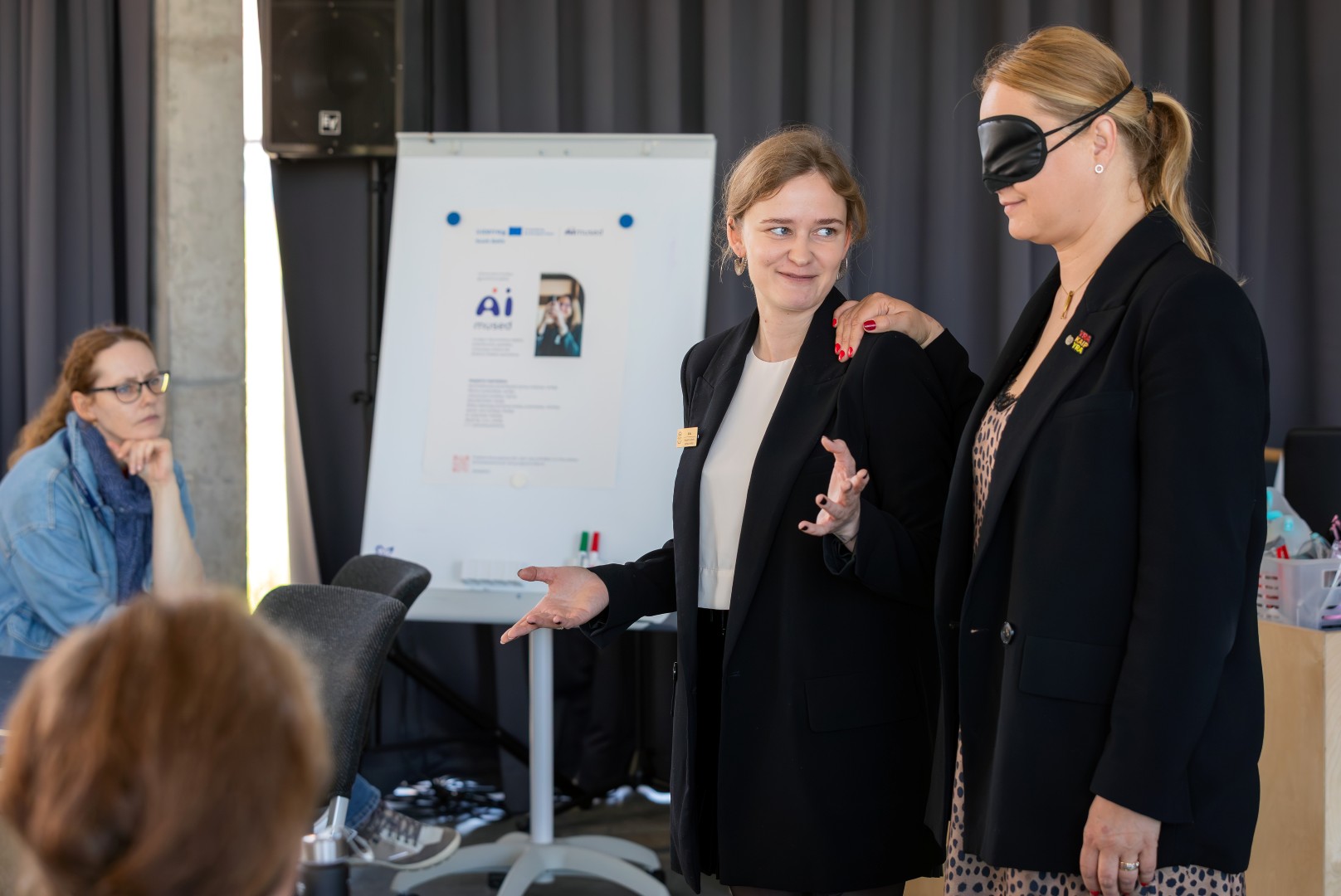
As part of the ongoing activities of the international AIMused project, the Lithuanian Sea Museum hosted a practical training session entitled “Seeing differently: understanding the world of blind and visually impaired people”, led by visual impairment education specialists Alina and Viktorija.
The training brought together specialists from the Museum’s Education, Visitor Services, Cultural Communication and Marketing departments, as well as other departments. Participants refreshed and strengthened their knowledge of serving visitors with visual impairments, learned about the specific needs and experiences of blind and partially sighted people, and became familiar with assistive tools and technologies that help promote greater independence.
During the training, participants explored real-life situations, practised guiding techniques, discussed effective communication principles, and examined ways to ensure a positive and inclusive visitor experience. The session also highlighted the challenges that people with visual impairments continue to face in society.
The training was particularly relevant following the presentation of the Lithuanian Disability Organisation forum’s recent study, “Tourism opportunities, challenges and needs of people with disabilities in Lithuania.” The study revealed that one of the greatest strengths of Lithuania’s tourism sector is its friendly and motivated staff (95.7%), while the overall accessibility system still requires significant improvement.
As noted by Ginta Žemaitaitytė-Buinevičė during the presentation: “Good people rely on their goodwill rather than on systemic solutions, standardised information, or well-developed accessible routes.”
For this reason, the Lithuanian Sea Museum places a strong emphasis on staff training and raising awareness about disability. Through the implementation of the AIMused project, we aim not only to improve the accessibility of physical spaces but also to develop accessible communication solutions, strengthen staff competencies, and ensure that every visitor feels welcome, understood, and able to fully engage with the cultural experiences offered by the Museum.
Photos by Alfonsas Mažūnas.
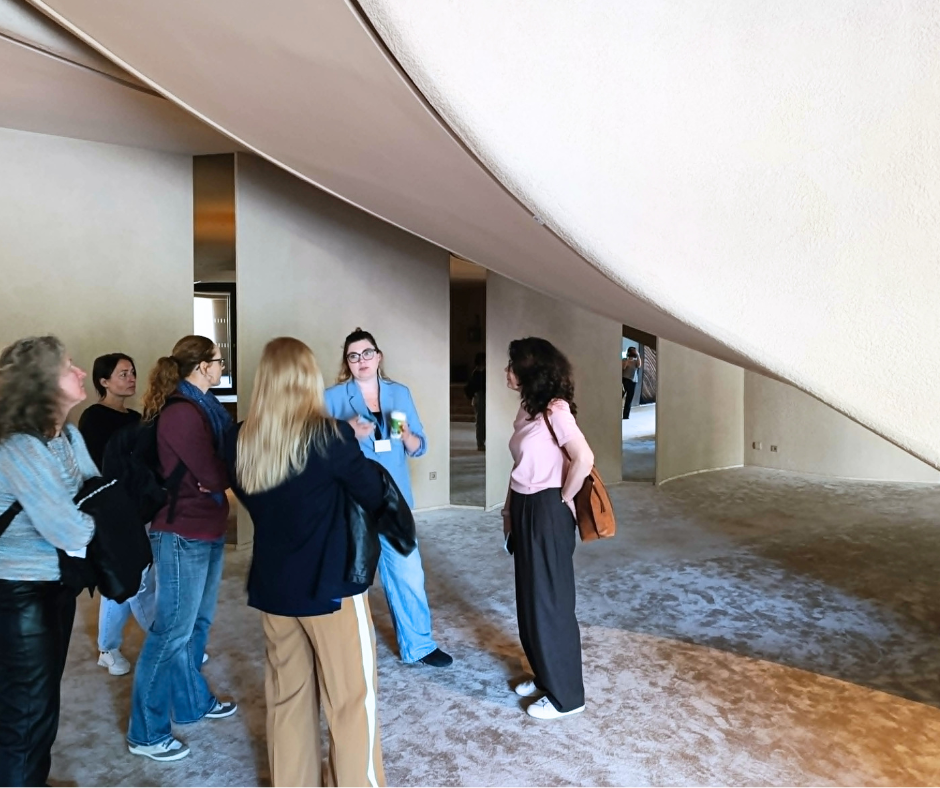
Specialists from the Lithuanian Sea Museum, implementing the AIMused project, visited the Klaipėda State Music Theatre, where they explored innovative accessibility solutions introduced after the theatre’s reconstruction for people with disabilities. During the visit, a special mobile application designed for visually impaired and blind visitors was presented, helping users independently navigate the theatre’s spaces.
The system, based on artificial intelligence solutions, allows visitors to receive audio guidance and be led through the building — from the entrance to halls and other important areas. Such technological solutions increase accessibility to culture, strengthen independence, and enable people with visual impairments to experience cultural activities more comfortably and safely.
The visit became a valuable part of the experience exchange activities within the AIMused project, aimed at seeking innovative, inclusive, and visitor-friendly solutions in the cultural sector.
Theatre specialists shared their experience, the possibilities of adapting technologies, and the challenges involved, which in the future could also be applied within the Lithuanian Sea Museum environment to improve visitor experience and ensure greater accessibility for everyone.
AIMused is a project funded by the Interreg South Baltic Programme, bringing together eight partners from five EU countries.
April 9, 2026
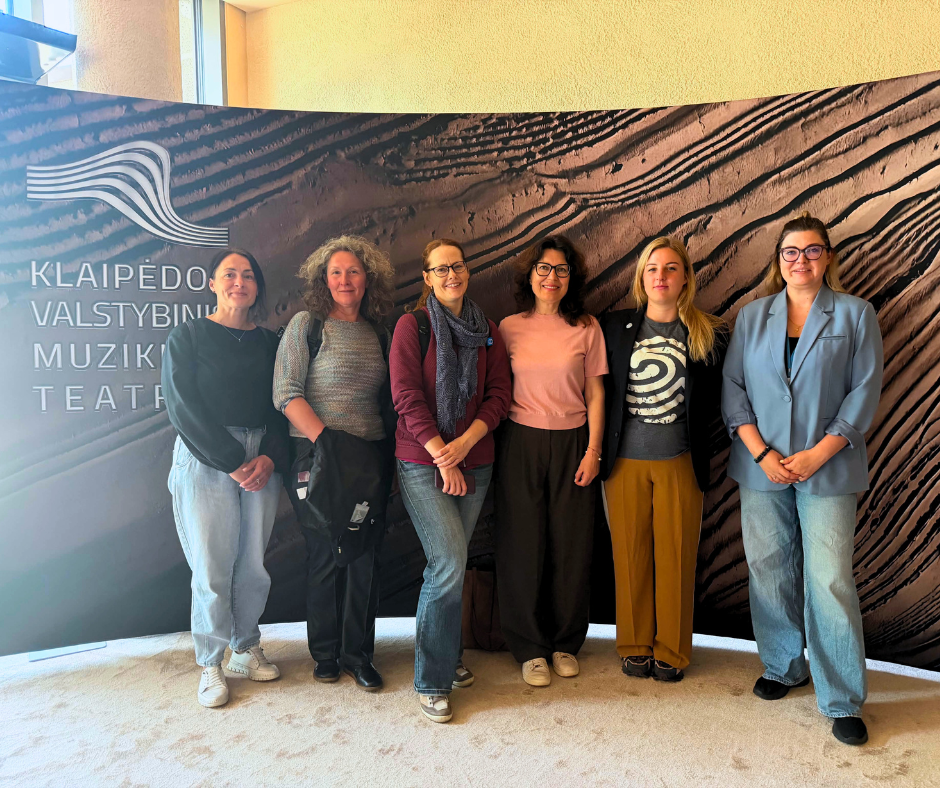
Specialists from the Lithuanian Sea Museum participated in the international “AIMused” project partners’ meeting in Szczecin, Poland! We are delighted to be part of this inspiring partnership.
Over several intensive days, we shared ideas and experiences and worked together to find solutions for creating a more open and accessible environment for everyone by harnessing the potential of artificial intelligence. The rapidly evolving capabilities of AI are driving us forward—they challenge us, encourage us to learn, and inspire us to apply these solutions meaningfully and effectively in museum practice, increasing accessibility for visitors.
“AIMused” is a project funded by the Interreg South Baltic Programme, bringing together 8 partners from 5 EU countries.
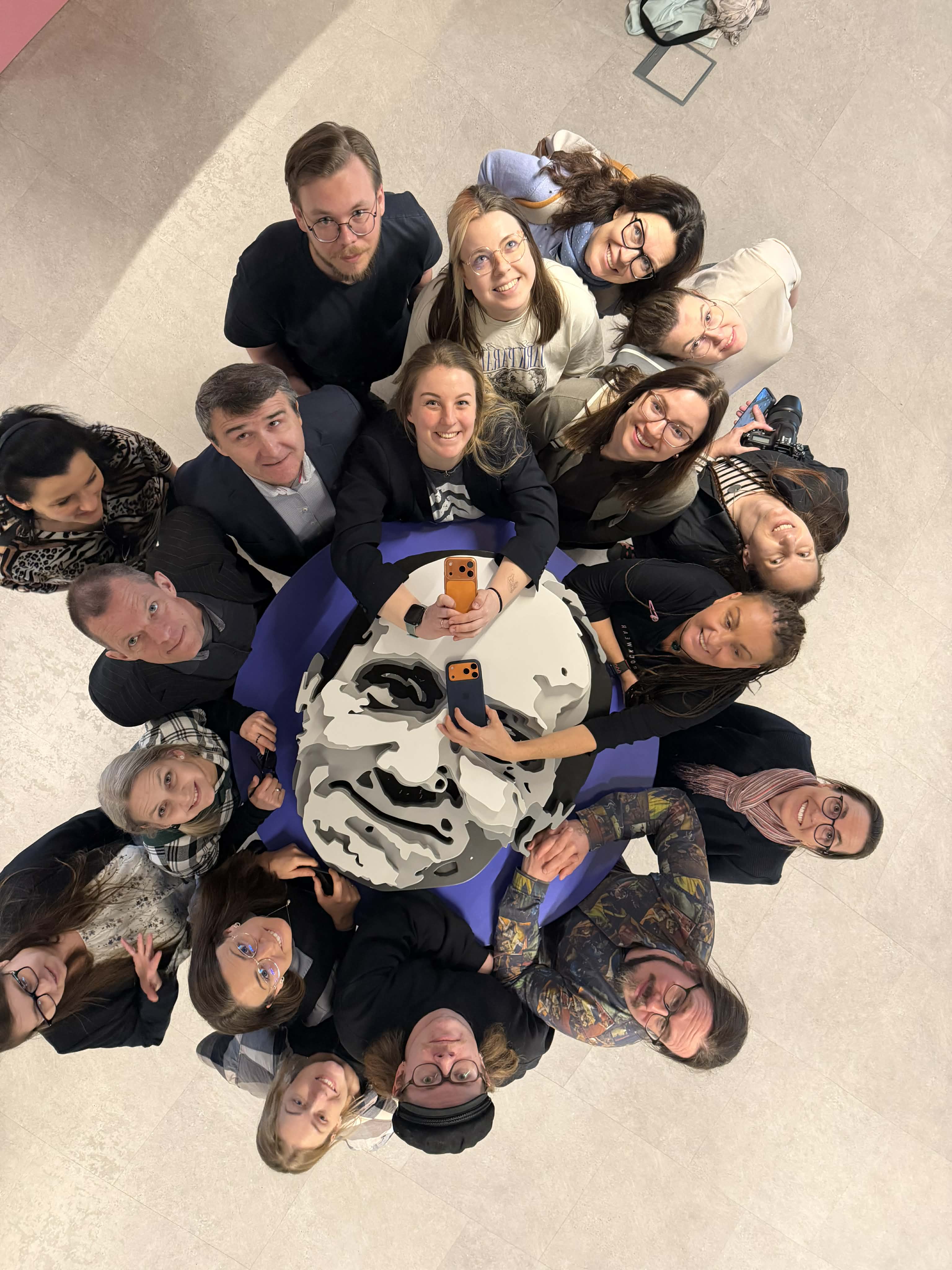
Photo: Kristina Skiotytė-Radienė
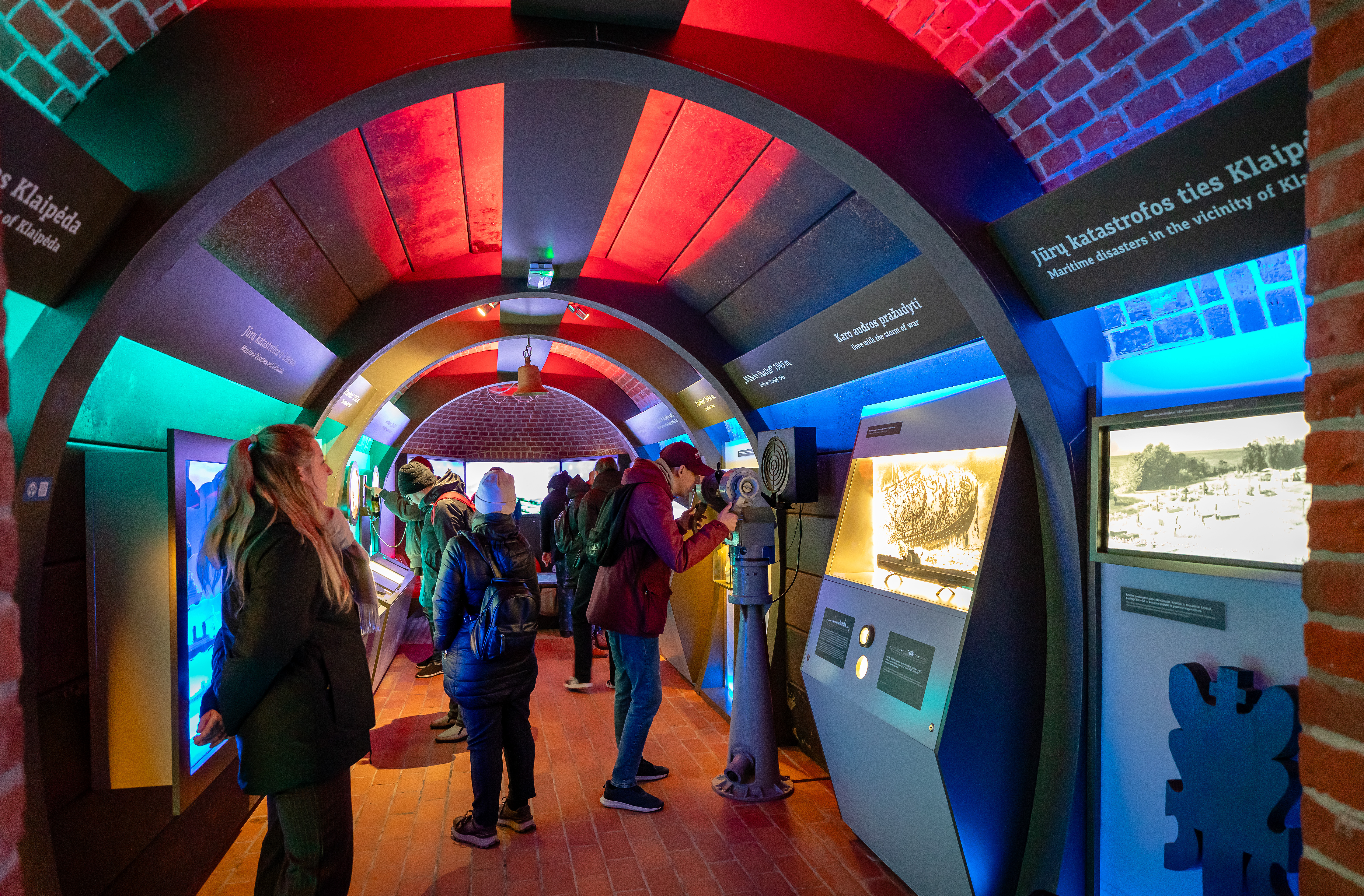
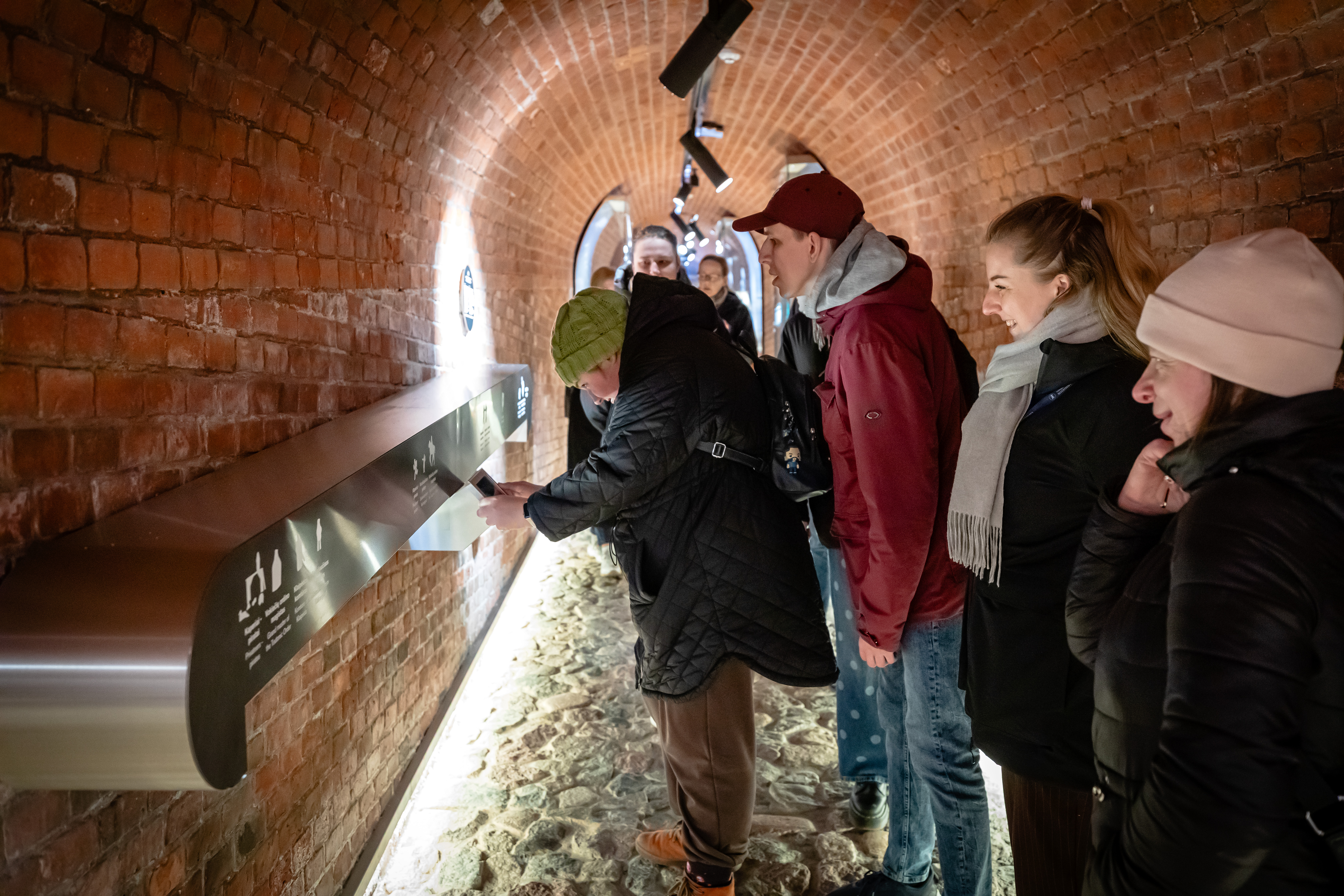
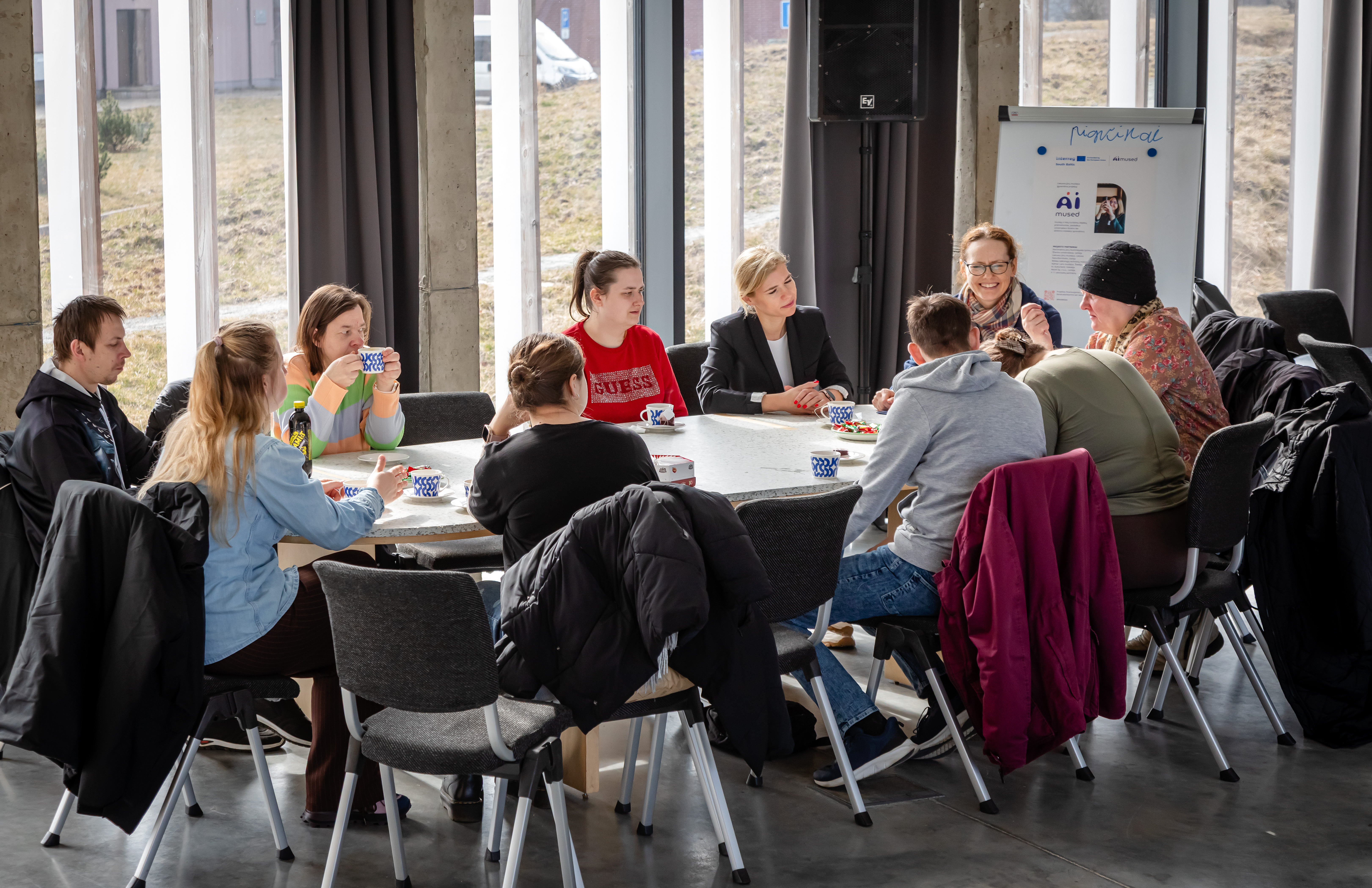
On March 24, the Lithuanian Sea Museum hosted the first in-person meeting of the “AIMused” project with its target audience. Representatives from the day centre of the Social Services Centre “Klaipėdos Lakštutė” visited the museum.
The same group will also participate in testing the prototypes developed within the project, therefore their insights and experiences are extremely valuable for creating solutions that will genuinely improve museum accessibility. During the visit, participants were introduced to the Navigation History and Aquarium exhibitions of the Lithuanian Sea Museum, where a number of tactile and interactive elements have already been installed, allowing visitors to explore maritime heritage through multiple senses.
After the visit, a reflection discussion was organised, during which participants shared their experiences, impressions and first suggestions. These insights will become valuable input for the further development of the project solutions.
The Social Services Centre “Klaipėdos Lakštutė” is a welcoming and open community where people with disabilities receive individualized support, empowerment and assistance in their daily lives. Each person is considered unique, and the centre creates an environment where everyone can grow, learn and actively participate in society. The centre’s mission is to provide high-quality social services that promote independence and social inclusion.
The “AIMused” project aims to improve the accessibility of museums and other tourist sites by applying inclusive design principles and artificial intelligence (AI) solutions. The project will develop accessibility guidelines, digital and physical tools, as well as recommendations for the use of AI to better address the needs of people with disabilities in tourism and cultural sites.
The Lithuanian Sea Museum is implementing the project together with partners from Poland, Denmark, Sweden and Germany.
The project is funded by the Interreg VI-A South Baltic Cross-Border Cooperation Programme 2021–2027.
We thank “Klaipėdos Lakštutė” for their cooperation, openness and valuable insights in helping to create a museum where culture, knowledge and experience are accessible to everyone.
Photos: Alfonsas Mažūnas
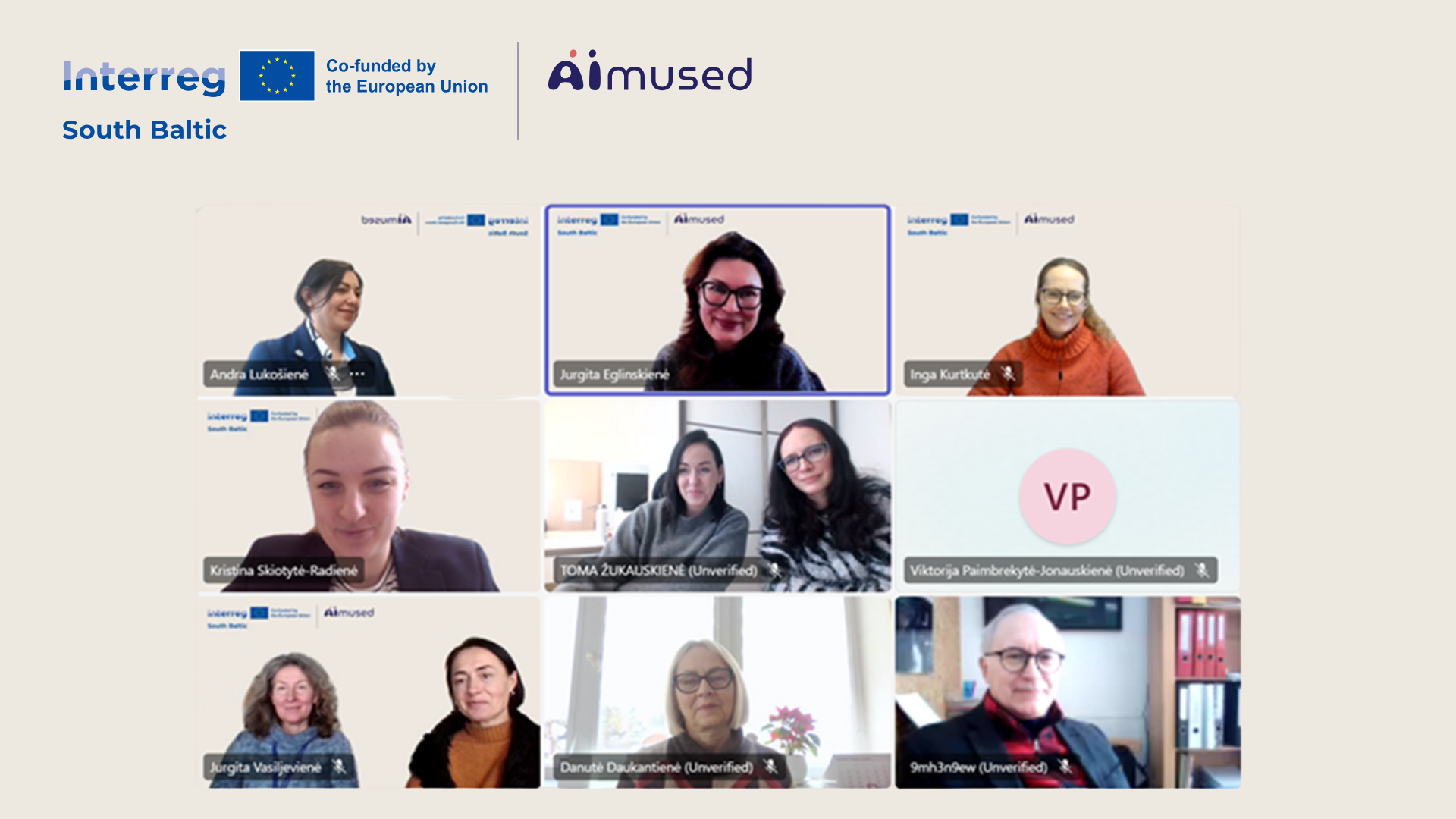
Establishment of Advisory Board
20206-01-28
On 28 January 2026 in the morning of terribly beautiful winter, Lithuanian Sea Museum had a safe online meeting with the representatives of target groups: Social Services Center Klaipedos lakstute, Klaipeda Litorina School, Klaipeda Vision Education Center and NGO Klaipeda Society of the People with Disabilities.
In pursuit of a common goal - to create project solutions that would meet the real needs of people with disabilities in museums, the meeting members established the Advisory Board and agreed to cooperate implementing the activities of the “AIMused” project.
The Lithuanian Sea Museum is among the partners creating more accessible museums
2026-01-23
Modern museums around the world are increasingly striving to become open, safe, and accessible spaces for all visitors, where every person, regardless of physical, sensory, or cognitive differences, can experience culture, knowledge, and a sense of community. Rapidly evolving technologies, especially artificial intelligence, are opening new opportunities for museums to create more personalized, inclusive, and visitor-oriented experiences.
In line with these trends, the Lithuanian Sea Museum, together with partners, has started implementing the international project “AIMused,” whose main goal is to improve the accessibility of museums and other tourist sites by using inclusive design and advanced artificial intelligence solutions. The project focuses on the needs of diverse visitors, with particular attention to people with disabilities, aiming to ensure that culture, heritage, and learning are accessible to everyone.
The project aims to develop accessibility and inclusion guidelines for museum and tourism site managers in the South Baltic region, create digital and physical toolkits to genuinely improve visitor experiences, and develop guidelines for the application of artificial intelligence (AI) to enable the purposeful and responsible use of AI solutions to enhance accessibility. An important part of the project is the dissemination of the developed content and tools to stakeholders in the tourism sector across the South Baltic region.
Lithuanian Sea Museum director Olga Žalienė emphasizes that the “AIMused” project is significant not only from an institutional perspective but also from a broader societal point of view:
“Accessibility is no longer an added value today – it is a necessity. Museums must evolve alongside society and respond to the diverse needs of people. Artificial intelligence provides new opportunities to better understand visitors’ expectations and create solutions that help everyone feel welcomed, understood, and included.”
The total project budget is 1,661,574 EUR
The Lithuanian Sea Museum is implementing the project together with an international consortium of partners. The lead partner is the National Institute of Fisheries and Marine Research in Poland. The project also involves NaturBornholm in Denmark, the Kalmar County Museum in Sweden, KL Kulturland in Germany, the University of Szczecin in Poland, the University of Applied Sciences Wildau in Germany, and Nautil Sp. z o.o. in Poland.
Project co-financed by the European Regional Development Fund under the Interreg South Baltic Programme 2021–2027
Picture: © Weronika Podlesinska